Introduction: Building Your Natural Defense System
Understanding how to boost immunity naturally has become more important than ever as we navigate an increasingly complex health landscape filled with new viruses, environmental stressors, and modern lifestyle challenges that can compromise our body’s natural defenses. Your immune system is your body’s sophisticated defense network, and strengthening it naturally provides lasting protection that goes far beyond temporary fixes or quick solutions.
The good news is that boosting immunity naturally doesn’t require expensive supplements, extreme diets, or complicated protocols. Research consistently shows that fundamental lifestyle practices—quality nutrition, adequate sleep, stress management, regular movement, and targeted natural interventions—create the foundation for robust immune function that protects you year-round, not just during cold and flu season.
This comprehensive guide reveals the most effective, science-backed strategies for naturally enhancing your immune system in 2025. You’ll discover which foods genuinely strengthen immunity, how sleep and stress directly impact your body’s defenses, specific lifestyle practices that research confirms boost immune function, natural supplements with solid evidence behind them, and practical daily routines that make immune support sustainable rather than overwhelming.
Understanding Your Immune System
How Natural Immunity Works
Your immune system consists of multiple defense layers:
Innate immunity: Your body’s immediate response system including physical barriers (skin, mucous membranes), white blood cells that attack invaders on contact, and inflammatory responses that isolate threats.
Adaptive immunity: The sophisticated system that learns to recognize specific pathogens, creates targeted antibodies, maintains immune memory, and provides long-term protection against previously encountered threats.
Immune organs and tissues: Bone marrow produces immune cells, the thymus trains T-cells, lymph nodes filter pathogens, the spleen filters blood, and surprisingly, your gut contains 70% of your immune system.
The interconnection: These systems work together seamlessly when properly supported—weakening one aspect compromises the entire defense network.
Factors That Compromise Immunity
Modern immune system challenges:
Chronic stress: Elevates cortisol consistently, suppressing immune cell function and reducing the body’s ability to fight infections and recover from illness.
Poor sleep: Less than 7 hours nightly reduces infection-fighting cells, impairs immune memory formation, and increases susceptibility to viruses by 3-4 times according to research.
Nutrient deficiencies: Insufficient vitamin D, vitamin C, zinc, and other immune-critical nutrients directly impair white blood cell function and antibody production.
Sedentary lifestyle: Lack of movement reduces circulation of immune cells, increases systemic inflammation, and weakens overall immune surveillance.
Poor gut health: Disrupted microbiome from processed foods, antibiotics, or chronic stress compromises the gut-immune connection where 70% of immunity resides.
Environmental toxins: Air pollution, pesticides, and household chemicals create oxidative stress that burdens the immune system constantly.
Essential Nutrients for Immune Health
1. Vitamin D: The Immune Modulator
Why it’s critical: Vitamin D directly activates T-cells (infection fighters), regulates inflammatory responses, and deficiency correlates with increased infection susceptibility and autoimmune conditions.
Optimal levels and sources:
- Target blood level: 40-60 ng/mL for immune support
- Sun exposure: 15-30 minutes midday sun on arms and legs (varies by latitude and skin tone)
- Food sources: Fatty fish (salmon, mackerel, sardines), egg yolks, fortified dairy
- Supplementation: 2,000-4,000 IU daily (test levels first)
Scientific evidence: A meta-analysis in BMJ found that vitamin D supplementation reduced acute respiratory infections by 12-50%, with greatest benefit in those who were deficient.
Real-world application: A 45-year-old office worker who experienced 4-5 colds annually had vitamin D tested (result: 18 ng/mL—deficient). After supplementing with 4,000 IU daily for 6 months and raising levels to 45 ng/mL, they experienced only one mild cold that year and recovered faster than usual.
Implementation tips:
- Test vitamin D levels annually (simple blood test)
- Supplement October-March in northern climates
- Take with fat-containing meal for absorption
- Pair with vitamin K2 for optimal function
✅ Benefits
- Strong research supporting immune function
- Also supports bone health, mood, cardiovascular health
- Safe and affordable supplementation
❌ Considerations
- Requires sun exposure or supplementation
- Need testing to determine appropriate dose
- Can take 3-6 months to optimize levels
Official resource: https://www.health.harvard.edu/staying-healthy/taking-too-much-vitamin-d-can-cloud-its-benefits-and-create-health-risks
2. Vitamin C: The Antioxidant Powerhouse
Immune mechanisms: Vitamin C supports production and function of white blood cells, protects immune cells from oxidative damage, enhances skin barrier function, and shortens duration of respiratory infections.
Food-first approach:
- Citrus fruits: Oranges, grapefruit, lemons (70-90mg per fruit)
- Bell peppers: Red peppers contain more vitamin C than oranges (190mg per cup)
- Cruciferous vegetables: Broccoli, Brussels sprouts, cauliflower
- Berries: Strawberries, blackberries, raspberries
- Kiwi: Exceptionally high (137mg per fruit)
Supplementation considerations:
- Preventive dose: 500-1,000mg daily
- During illness: 1,000-2,000mg every few hours (up to bowel tolerance)
- Form: Ascorbic acid or buffered forms like sodium ascorbate
Research findings: Cochrane Review analysis found that regular vitamin C supplementation reduced cold duration by 8% in adults and 14% in children, with greater effects in people under physical stress.
Practical strategy: A marathon runner increased vitamin C intake to 1,000mg daily (from 250mg baseline) through food and supplementation. During training season when previously prone to post-race colds, they maintained consistent health and didn’t miss training days to illness.
✅ Benefits
- Widely available in delicious foods
- Water-soluble (excess excreted, low toxicity risk)
- Multiple health benefits beyond immunity
- Affordable supplementation
❌ Considerations
- Degrades with cooking and storage
- High doses can cause digestive upset
- Benefits modest for those with adequate dietary intake
- Doesn’t prevent colds in general population, only shortens duration
Expert tip: Consume vitamin C-rich foods raw or lightly cooked to preserve content, and spread intake throughout day as body excretes excess within hours.
3. Zinc: The Immune Cell Activator
Critical immune roles: Zinc is essential for development and function of immune cells, wound healing, protein synthesis, and DNA creation. Even mild deficiency significantly impairs immune response.
Optimal intake:
- RDA: 11mg men, 8mg women
- Immune support: 15-30mg daily from all sources
- Upper limit: 40mg daily (chronic excess suppresses immunity)
Best food sources:
- Oysters: Highest concentration (74mg per 3oz)
- Red meat and poultry: 3-7mg per 3oz serving
- Beans and legumes: 2-3mg per cup (contains phytates that reduce absorption)
- Nuts and seeds: Pumpkin seeds, cashews (1-2mg per ounce)
- Whole grains: Moderate amounts with better absorption if sprouted
Supplementation guidance:
- Use at first sign of cold (13-23mg zinc lozenges every 2 hours while awake)
- Don’t exceed 40mg daily chronically
- Take with food to prevent nausea
- Separate from calcium supplements by 2+ hours
Scientific backing: Meta-analysis in Open Respiratory Medicine Journal found that zinc lozenges reduced cold duration by 33% when taken within 24 hours of symptom onset.
Real example: A teacher exposed to sick children daily started taking 15mg zinc supplement daily during school year. She noticed fewer sick days (from 5-6 annually to 1-2), faster recovery when ill, and generally felt more resilient to classroom germs.
✅ Benefits
- Well-researched immune benefits
- Particularly effective at cold onset
- Supports numerous bodily functions
- Widely available in food and supplements
❌ Considerations
- Excess intake impairs immunity and copper absorption
- Can cause nausea if taken on empty stomach
- Plant-based sources less bioavailable
- Nasal zinc sprays dangerous (loss of smell)
Important: Balance is critical—both deficiency AND excess impair immune function. More isn’t better with zinc.
4. Probiotics and Gut Health
The gut-immune connection: Your gut houses 70% of immune cells, and gut bacteria train immune system to distinguish friends from foes, produce immune-supporting compounds, and maintain gut barrier integrity that prevents pathogen entry.
Immune-supporting probiotic strains:
- Lactobacillus rhamnosus GG: Reduces respiratory infection duration
- Lactobacillus casei: Enhances immune cell activity
- Bifidobacterium lactis: Improves immune response in elderly
- Lactobacillus acidophilus: Supports gut barrier function
Food-based probiotics:
- Yogurt: Live and active cultures (check labels)
- Kefir: More diverse probiotics than yogurt
- Sauerkraut: Raw, unpasteurized versions
- Kimchi: Korean fermented vegetables
- Miso and tempeh: Fermented soy products
- Kombucha: Fermented tea beverage
Prebiotic support (feeds beneficial bacteria):
- Garlic, onions, leeks, asparagus
- Bananas (slightly green)
- Oats and barley
- Apples and flaxseeds
Research evidence: Systematic review in British Journal of Nutrition found that probiotic supplementation reduced number, duration, and severity of respiratory infections, particularly in children and active adults.
Practical application: A 52-year-old with recurring digestive issues and frequent colds added daily kefir, increased fiber intake, and took probiotic supplement. After 3 months, digestion improved dramatically and they experienced their first winter in years without multiple colds.
✅ Benefits
- Addresses root cause of many immune issues
- Multiple health benefits beyond immunity
- Food sources are nutritious whole foods
- Safe for most people
❌ Considerations
- Results take time (weeks to months)
- Quality varies dramatically between products
- May cause initial bloating/gas
- Immunocompromised individuals should consult doctor first
Source: https://www.health.harvard.edu/staying-healthy/how-to-boost-your-immune-system
Lifestyle Strategies to Boost Immunity
5. Prioritize Quality Sleep
Sleep and immune function: During sleep, your body produces infection-fighting cytokines, T-cells, and antibodies. Sleep deprivation reduces these protective proteins and increases inflammatory markers.
Optimal sleep for immunity:
- Duration: 7-9 hours nightly for adults
- Consistency: Regular sleep-wake schedule (even weekends)
- Quality: Deep, uninterrupted sleep cycles
- Timing: Aligned with circadian rhythm (in bed by 10-11 PM)
Research findings: Study in Sleep journal found that people sleeping fewer than 6 hours nightly were 4.2 times more likely to catch a cold compared to those sleeping 7+ hours.
Sleep optimization strategies:
- Cool environment: 65-68°F bedroom temperature
- Complete darkness: Blackout curtains or eye mask
- No screens: Avoid blue light 1-2 hours before bed
- Caffeine cutoff: No caffeine after 2 PM
- Consistent routine: Same wind-down activities nightly
- Stress management: Address anxiety affecting sleep
Transformation story: A 38-year-old entrepreneur constantly getting sick realized they averaged only 5.5 hours sleep. By prioritizing 8-hour sleep opportunity (7.5 hours actual sleep), eliminating late-night work emails, and establishing consistent schedule, they experienced dramatic improvement in immunity—no colds for 9 months compared to previous 4-5 annually.
✅ Benefits
- Profoundly impacts immune function
- Improves virtually all aspects of health
- Costs nothing
- Enhances quality of life
❌ Considerations
- Requires lifestyle changes and discipline
- Modern life challenges adequate sleep
- May need to address underlying sleep disorders
- Results not immediate (cumulative benefit)
Expert insight: Sleep is perhaps the single most powerful natural immune booster available—it’s during quality sleep that your immune system performs critical maintenance and strengthening.
6. Regular Moderate Exercise
Exercise and immunity: Moderate physical activity increases circulation of immune cells, reduces inflammation, supports healthy sleep, manages stress hormones, and potentially flushes bacteria from airways.
Optimal immune-boosting exercise:
- Moderate intensity: 30-45 minutes most days (brisk walking, swimming, cycling)
- Avoid overtraining: Intense/prolonged exercise temporarily suppresses immunity
- Consistency matters: Regular moderate beats occasional intense
- Variety: Combine cardio, strength training, flexibility work
- Outdoor exercise: Additional benefits from nature exposure and vitamin D
Research evidence: Studies show that people who exercise moderately 5+ days weekly have 40-50% fewer sick days from colds and flu compared to sedentary individuals.
The exercise sweet spot: 30-60 minutes moderate exercise enhances immunity, while prolonged intense exercise (marathons, ultra-endurance) temporarily suppresses immune function for 3-72 hours post-activity.
Real-world example: A 50-year-old office worker transitioned from sedentary to walking 40 minutes daily during lunch breaks. Over the following year, they lost weight, felt more energetic, and remarkably went from catching every office cold to staying healthy even when coworkers were sick.
✅ Benefits
- Well-researched immune benefits
- Numerous additional health advantages
- Free or low-cost
- Improves mental health and mood
❌ Considerations
- Overtraining counterproductive
- Requires time commitment
- Weather/environment can be barriers
- Risk of injury if not careful
Important caution: During active illness, rest is better than exercise—don’t “sweat out” a cold, as this stresses an already burdened immune system.
7. Stress Management Techniques
Chronic stress and immunity: Prolonged elevated cortisol suppresses immune cell production, reduces antibody effectiveness, slows wound healing, and increases inflammation throughout the body.
Effective stress reduction practices:
- Mindfulness meditation: 10-20 minutes daily reduces cortisol and enhances immune markers
- Deep breathing: Activates parasympathetic nervous system (rest and digest)
- Yoga: Combines movement, breathing, and mindfulness
- Time in nature: Reduces stress hormones and supports immune function
- Social connection: Strong relationships buffer stress impact
- Creative activities: Art, music, gardening engage relaxation response
- Professional support: Therapy for chronic stress/anxiety
Scientific validation: Research in Psychosomatic Medicine found that mindfulness-based stress reduction increased antibody response to flu vaccine and enhanced immune cell function.
Practical stress management: A 42-year-old high-stress professional experiencing frequent infections implemented 15-minute morning meditation, weekly nature walks, and therapy for anxiety. Within months, stress felt more manageable, energy improved, and vulnerability to every passing bug decreased significantly.
Quick stress-relief techniques:
- Box breathing: 4 counts in, hold 4, out 4, hold 4—repeat 5 minutes
- Progressive muscle relaxation: Tense and release muscle groups systematically
- 5-4-3-2-1 grounding: Name 5 things you see, 4 you hear, 3 you touch, 2 you smell, 1 you taste
✅ Benefits
- Addresses major immune suppressor
- Improves overall quality of life
- Many free or low-cost options
- Benefits extend beyond immunity
❌ Considerations
- Requires consistent practice
- Results build over time
- May need professional help for chronic stress
- Cultural barriers to prioritizing self-care
Source: https://www.apa.org/topics/stress/immune
8. Hydration and Immune Function
Water’s immune roles: Proper hydration supports lymph production (carries immune cells), maintains mucous membranes that trap pathogens, enables cellular processes including immune responses, and helps eliminate toxins and waste products.
Optimal hydration for immunity:
- General guideline: Half your body weight in ounces daily (150 lb person = 75 oz)
- More if: Exercising, hot climate, caffeinated beverages, illness
- Hydration indicators: Pale yellow urine, rarely thirsty, moist mucous membranes
Immune-supporting beverages:
- Plain water: Foundation of hydration
- Herbal teas: Echinacea, elderberry, ginger (immune-supportive compounds)
- Bone broth: Minerals, amino acids, immune-supporting nutrients
- Green tea: Antioxidants including EGCG with immune benefits
Dehydration impact: Even mild dehydration (2% body weight) impairs cellular function including immune responses, reduces saliva production (oral immune defense), and concentrates pathogens in nasal passages.
Implementation strategy: A teacher prone to colds during dry winter months started carrying water bottle and drinking throughout day, added humidifier in bedroom, and consumed herbal tea. The increased hydration reduced dry throat (entry point for viruses) and they noticed fewer colds that winter.
✅ Benefits
- Simple, free/inexpensive intervention
- Supports all bodily functions
- Immediate benefits
- No downsides when balanced
❌ Considerations
- Requires conscious effort and habit building
- Frequent bathroom trips initially
- Can interfere with sleep if consumed late
- Excessive hydration can dilute electrolytes
Natural Immune-Boosting Foods and Herbs
9. Medicinal Mushrooms
Immune-modulating mushrooms: Certain mushrooms contain beta-glucans and other compounds that enhance immune cell activity, have antiviral properties, and support balanced immune response.
Most studied varieties:
- Shiitake: Enhances T-cell function and has antiviral properties
- Reishi: Immune-modulating, stress-reducing adaptogen
- Maitake: Activates macrophages and natural killer cells
- Turkey tail: Contains PSK and PSP immune-enhancing compounds
- Chaga: High antioxidant content supports immune function
How to incorporate:
- Culinary: Add shiitake, maitake to soups, stir-fries, sautés
- Powder: Add to smoothies, coffee, hot chocolate
- Tea: Simmer dried mushrooms or use commercial blends
- Supplements: Standardized extracts if culinary use insufficient
Research support: Study in Journal of the American College of Nutrition found that daily shiitake mushroom consumption improved immune markers including increased secretory IgA and better T-cell proliferation.
✅ Benefits
- Culinary varieties delicious and nutritious
- Traditional use spanning centuries
- Growing scientific evidence
- Multiple immune pathways supported
❌ Considerations
- Quality varies in supplements
- Can be expensive
- Some people find taste/texture off-putting
- Interactions possible with immunosuppressants
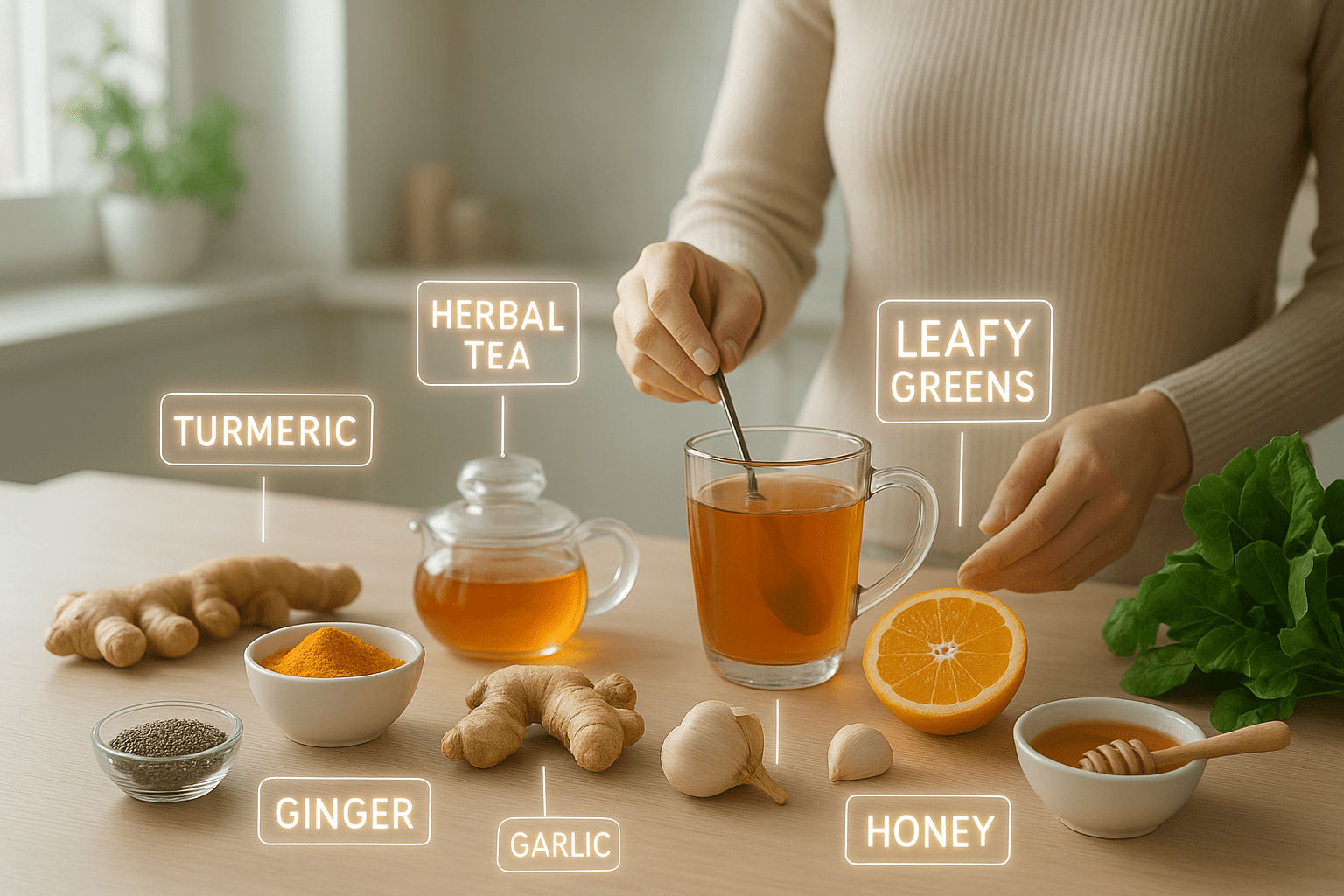
10. Garlic, Ginger, and Turmeric
Immune-supporting spices: These powerful anti-inflammatory, antimicrobial herbs have been used medicinally for thousands of years and now have modern research validating immune benefits.
Garlic (allicin):
- Antimicrobial, antiviral, antifungal properties
- Enhances immune cell function
- Best consumed raw or lightly cooked (heat degrades allicin)
- Recommendation: 1-2 raw garlic cloves daily
Ginger (gingerol):
- Anti-inflammatory and antioxidant
- Antiviral properties against respiratory viruses
- Supports digestion (gut-immune connection)
- Use: Fresh ginger tea, add to cooking, supplement 1-2g daily
Turmeric (curcumin):
- Powerful anti-inflammatory
- Modulates immune system function
- Enhances antibody response
- Absorption improved with black pepper (piperine)
- Recommendation: 1-3g daily with black pepper and fat
Practical incorporation: A 55-year-old added daily “immunity shot” (freshly grated ginger, turmeric, lemon juice, honey, pinch black pepper) each morning and used garlic liberally in cooking. Over the following cold season, they experienced milder symptoms when family members were severely ill.
✅ Benefits
- Culinary herbs easily incorporated
- Multiple health benefits
- Generally safe and well-tolerated
- Affordable and accessible
❌ Considerations
- Need consistent daily use for benefits
- Can interact with blood thinners (especially garlic)
- Some find taste/smell strong
- Turmeric stains easily
Building Your Immune-Supporting Routine
Daily Immune-Boosting Protocol
Morning (metabolism and protection focus):
- Upon waking: 16 oz water with lemon
- Breakfast: Protein-rich with colorful vegetables
- Supplements: Vitamin D, probiotic, multivitamin
- 15 minutes: Outdoor time for sunlight exposure
Midday (nourishment and movement):
- Lunch: Nutrient-dense with immune-supporting foods
- Afternoon: Green tea or herbal immunity tea
- Exercise: 30-45 minutes moderate activity
- Stress break: 10-minute meditation or breathing
Evening (recovery and rest):
- Dinner: Anti-inflammatory meal with garlic, ginger, turmeric
- Herbal tea: Chamomile, elderberry, or medicinal mushroom
- Wind down: No screens 1 hour before bed
- Sleep: 7-9 hours in cool, dark room
Weekly practices:
- 2-3 strength training sessions
- Nature time (forest bathing, hiking)
- Social connection activities
- Meal prep immune-supporting foods
Seasonal Immune Support
Fall/Winter (cold and flu season):
- Increase vitamin D supplementation
- Daily elderberry syrup
- Humidify indoor air
- Wash hands frequently
- Prioritize sleep even more
Spring (allergy season):
- Local honey for allergies
- Quercetin supplementation
- Maintain gut health
- Continue immune fundamentals
Summer (travel and activities):
- Stay hydrated in heat
- Sunscreen + adequate sun exposure balance
- Fresh fruits and vegetables abundance
- Maintain sleep schedule despite longer days
When to Seek Medical Advice
Signs Your Immune System Needs Medical Support
Consult healthcare provider if experiencing:
- Frequent infections: More than 4-6 colds/ear infections annually, frequent pneumonia or sinusitis
- Slow healing: Wounds taking unusually long to heal
- Digestive issues: Chronic diarrhea, cramping, nausea
- Recurrent yeast infections: Especially in uncommon locations
- Constant fatigue: Not explained by sleep, diet, or stress
- Autoimmune symptoms: Persistent inflammation, pain, skin issues
Medical conditions affecting immunity:
- Diabetes
- HIV/AIDS
- Cancer and cancer treatments
- Autoimmune diseases
- Medications (immunosuppressants, corticosteroids)
Important distinction: Natural immune support complements but doesn’t replace medical care for serious conditions. Work with healthcare providers to integrate natural approaches safely.
Conclusion: Your Natural Immunity Action Plan
Learning how to boost immunity naturally empowers you to take control of your health through evidence-based lifestyle practices, targeted nutrition, and sustainable habits that strengthen your body’s defenses from the inside out. The strategies outlined in this guide—optimizing vitamin D, C, and zinc; prioritizing sleep and stress management; incorporating immune-supporting foods; exercising moderately; and maintaining gut health—create comprehensive immune support when implemented consistently.
Essential principles to remember:
Immune health isn’t about quick fixes or single “miracle” supplements—it’s about creating a lifestyle that supports your body’s natural defense systems through multiple pathways simultaneously. The most powerful immune boosters aren’t expensive or complicated; they’re fundamental practices like adequate sleep, stress management, whole food nutrition, and regular movement that modern life often neglects. Consistency matters far more than perfection—implementing these strategies 80% of the time produces better results than attempting 100% perfection for two weeks before burning out.
True immune strength develops over weeks and months of consistent healthy practices rather than overnight transformations. These natural approaches not only support immunity but enhance overall vitality, energy, mental clarity, and quality of life—making them sustainable long-term health investments rather than temporary interventions.
Your immunity-boosting action plan:
- Start with foundations: Prioritize 7-9 hours sleep and manage chronic stress (biggest immune impacts)
- Test and optimize: Check vitamin D levels and supplement to 40-60 ng/mL
- Eat for immunity: Focus on colorful whole foods, fermented foods, immune-supporting herbs
- Move moderately: 30-45 minutes daily movement most days
- Track progress: Monitor how often you get sick, recovery speed, energy levels
Building strong natural immunity is one of the most valuable investments you can make in your health. The practices outlined here don’t just prevent illness—they create resilience, vitality, and wellness that enhance every aspect of your life.
If you believe in spreading education and helping others grow, you can support my mission here:
Support Education, Empower Lives
Ready to strengthen your immune system naturally? Begin tomorrow with three foundational changes: prioritize 8 hours sleep opportunity tonight, take a 30-minute walk outdoors for movement and vitamin D, and add one immune-supporting food (garlic, ginger, or citrus fruit) to your meals. Small consistent actions create remarkable transformation in your body’s natural defenses.
Share your thoughts in the comments and don’t forget to share this article with your friends:
Your learning doesn’t stop here. Keep exploring and growing with:
- AI Apps for Android & iOS
- AI Chatbots & Automation
- Ai for YouTube / Creators
- Ai Tools & Productivity
- AI Voice & Music Tools
- AI Writing Tools
- Health & Fitness
- iPhone 17 Series
- Web Hosting
- Windows 11 Update
Frequently Asked Questions:
How long does it take to boost immunity naturally?
The timeline for naturally boosting immunity varies by intervention and individual baseline health, with some benefits appearing within days while others develop over weeks or months of consistent practice. Immediate to short-term effects (days to weeks) include increased hydration improving mucous membrane function within hours, better sleep enhancing immune cell production after just one good night, stress reduction techniques lowering cortisol within minutes, and vitamin C supplementation supporting immune cell function within days. Medium-term benefits (2-8 weeks) encompass vitamin D levels optimizing over 6-8 weeks of supplementation with measurable immune improvements, probiotic supplementation beginning to shift gut microbiome and immune function after 2-4 weeks, regular moderate exercise showing immune benefits after 4-6 weeks of consistency, and improved diet quality supporting better nutrient status within 4-6 weeks. Long-term transformation (3-6 months) includes comprehensive lifestyle changes creating robust immune resilience, significant reduction in infection frequency becoming noticeable, body adapting to and maintaining healthy practices, and cumulative effects of multiple strategies synergizing for optimal immune function. Most people notice subjective improvements (better energy, fewer minor illnesses) within 4-6 weeks of implementing multiple strategies consistently, while objective measures (blood work, infection frequency) typically show significant changes after 3-6 months. The key is patience and consistency—immune health is built gradually through sustained healthy practices rather than quick fixes.
Do natural immunity boosters really work or is it just placebo?
Natural immunity-boosting strategies have substantial scientific evidence supporting their effectiveness beyond placebo effects, with measurable biological changes and objective health outcomes documented in peer-reviewed research. Strong scientific evidence exists for vitamin D supplementation reducing respiratory infections by 12-50% in deficient individuals (multiple RCTs and meta-analyses), inadequate sleep (under 6 hours) increasing cold susceptibility 4-fold with measurable reductions in immune cell function, chronic stress elevating cortisol and suppressing measurable immune markers, probiotics reducing respiratory infection frequency, duration, and severity in systematic reviews, and zinc lozenges reducing cold duration by 33% when taken within 24 hours of symptom onset. Mechanisms are well-understood through cellular and molecular research showing exactly how these interventions affect immune cells, cytokine production, antibody responses, and inflammatory pathways—these aren’t mysterious effects but documented biological processes. Objective outcomes measured include infection rates, duration of illness, immune cell counts and function, antibody levels, inflammatory markers, and other quantifiable metrics beyond subjective perception. The placebo effect is real and contributes to feeling better, but the interventions discussed have demonstrated effects in controlled studies accounting for placebo responses. However, realistic expectations matter—these strategies reduce infection risk by 20-50%, not 100%, and work best when multiple approaches combine synergistically. Some specific products and supplements lack quality evidence despite marketing claims, which is why this guide focuses on interventions with robust research support. The answer is nuanced: core lifestyle practices (sleep, stress, nutrition, exercise) have overwhelming evidence; specific well-studied supplements (vitamin D, C, zinc, probiotics) have good evidence; while many marketed “immune-boosting” products lack credible research supporting claims.
Can you boost your immune system too much?
Yes, it’s possible to have an overactive immune system, and the goal is balanced immune function rather than simply “boosting” indiscriminately, as excessive immune activation can cause more harm than an underactive system. Autoimmune conditions occur when the immune system attacks the body’s own tissues, affecting over 50 million Americans with conditions like rheumatoid arthritis, lupus, multiple sclerosis, and inflammatory bowel disease—these represent immune systems that are “too active” in misdirected ways. Chronic inflammation from sustained immune activation damages tissues, contributes to heart disease, accelerates aging, and increases cancer risk. Cytokine storms represent extreme overactivation where immune response becomes more dangerous than the infection itself, as seen in severe COVID-19 cases. The proper goal is immune modulation—a balanced, appropriately responsive system that fights genuine threats effectively while maintaining tolerance to harmless substances and self-tissue. This is why the term “immune support” or “immune modulation” is more accurate than “immune boosting.” The natural strategies outlined in this guide (vitamin D, medicinal mushrooms, sleep, stress management) generally support balanced immune function rather than indiscriminate activation. However, people with autoimmune conditions should work with healthcare providers before taking immune-stimulating supplements like echinacea or astragalus, which could potentially worsen autoimmune activity. Focus on lifestyle practices that create balanced immunity (sleep, stress management, gut health, anti-inflammatory diet) rather than simply trying to “boost” as high as possible.
What are the best vitamins to take for immune health?
The most important vitamins and minerals for immune function include vitamin D (essential for T-cell activation and immune regulation, with most people deficient; supplement 2,000-4,000 IU daily to reach optimal 40-60 ng/mL blood levels), vitamin C (supports white blood cell production and function, protects immune cells from oxidative damage; 500-1,000mg daily preventively or 1,000-2,000mg every few hours when ill), zinc (critical for immune cell development and function; 15-30mg daily from food and supplements combined, with lozenges at first cold symptoms), vitamin A (supports mucous membrane integrity and T-cell function; best from beta-carotene-rich foods like carrots, sweet potatoes, or 5,000-10,000 IU supplement), and vitamin E (antioxidant protecting immune cells; 15mg daily from food sources like nuts, seeds, or supplement). Additionally, B vitamins (especially B6 and B12 support antibody production and immune cell proliferation; best from B-complex supplement or fortified foods), selenium (supports antioxidant enzymes protecting immune cells; 200mcg daily from Brazil nuts or supplement), and iron (necessary for immune cell proliferation, but only supplement if deficient). The most effective approach is food-first nutrition providing these nutrients naturally, with targeted supplementation for common deficiencies (especially vitamin D in northern climates, zinc during cold season) rather than megadoses of everything. Quality multivitamin provides insurance against gaps, with specific attention to vitamin D testing and optimization. More isn’t always better—excessive supplementation can actually impair immune function, so stick to recommended doses unless working with healthcare provider.