Introduction
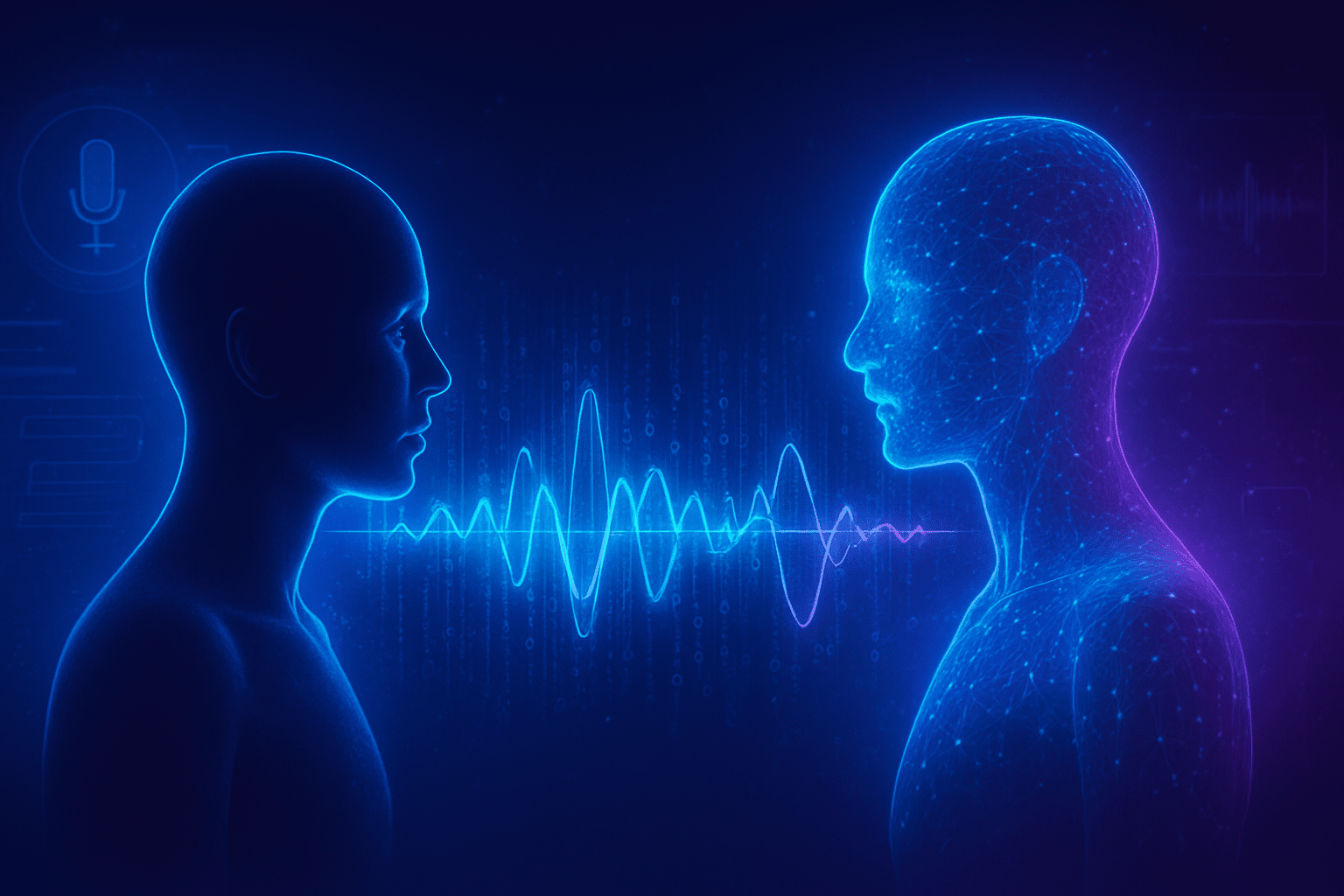
Voice cloning with AI has revolutionized how we think about digital communication and content creation. This cutting-edge technology allows you to create synthetic versions of your voice that can speak any text with remarkable accuracy and natural intonation. Whether you’re a content creator, business professional, or simply curious about AI voice synthesis, understanding how to clone your voice opens up incredible possibilities for productivity and creativity.
The process of AI voice cloning has become increasingly accessible, with numerous platforms offering sophisticated tools that can generate high-quality voice replicas from just minutes of audio samples. In this comprehensive guide, we’ll explore the best methods, tools, and techniques to successfully clone your voice using artificial intelligence.
What Is AI Voice Cloning?
AI voice cloning is a sophisticated machine learning process that analyzes the unique characteristics of a person’s speech patterns, tone, cadence, and vocal qualities to create a synthetic version capable of generating new speech content. This technology uses advanced neural networks and deep learning algorithms to understand the nuances that make each voice distinctive.
Modern voice cloning systems can capture subtle elements like:
- Vocal timbre and resonance
- Speech rhythm and pacing
- Accent and pronunciation patterns
- Emotional inflection ranges
- Breathing and pause patterns
The resulting AI-generated voice can then produce speech that sounds remarkably similar to the original speaker, even for words and phrases never spoken by the source person.
How Voice Cloning Technology Works
The Science Behind Voice Synthesis
Voice cloning technology operates through several sophisticated processes that work together to recreate human speech patterns. The fundamental approach involves neural voice synthesis, which uses artificial intelligence to learn the mathematical relationships between text and speech.
Deep learning models analyze audio samples to identify unique vocal characteristics. These systems examine spectrograms, which are visual representations of audio frequencies over time, to understand how specific sounds are produced by individual speakers.
Key Technologies Involved
Text-to-Speech (TTS) Synthesis: Advanced algorithms convert written text into spoken words using the cloned voice characteristics.
WaveNet and Similar Neural Networks: Google’s WaveNet and similar technologies generate raw audio waveforms that sound natural and human-like.
Voice Conversion Models: These systems can transform one voice into another while preserving the original content and meaning.
Best AI Voice Cloning Tools and Platforms
Professional-Grade Solutions
ElevenLabs stands out as one of the most advanced voice cloning platforms available today. Their technology requires only a few minutes of audio samples to create high-quality voice clones with exceptional naturalness and emotional range.
Murf AI offers professional voice cloning services with a user-friendly interface and robust customization options. The platform provides excellent results for business applications and content creation.
Speechify combines voice cloning with text-to-speech functionality, making it ideal for creating personalized audiobook experiences and educational content.
Accessible Options for Beginners
Descript’s Overdub provides an intuitive approach to voice cloning, integrated seamlessly with their audio and video editing platform. This tool is particularly valuable for podcasters and video creators.
Resemble AI offers both real-time voice cloning and traditional synthesis options, with strong security features and ethical usage guidelines.
Step-by-Step Guide: How to Clone Your Voice
Step 1: Choose Your Voice Cloning Platform
Select a platform based on your specific needs, budget, and technical requirements. Consider factors like:
- Audio quality requirements
- Processing time expectations
- Integration needs with existing workflows
- Privacy and security considerations
Step 2: Prepare High-Quality Audio Samples
The quality of your voice clone directly depends on the input audio samples. Follow these guidelines:
Recording Environment:
- Use a quiet, acoustically treated space
- Minimize background noise and echo
- Maintain consistent distance from microphone
Audio Specifications:
- Record in WAV or FLAC format for maximum quality
- Use 44.1 kHz sample rate or higher
- Aim for 16-bit depth minimum
- Ensure clear, crisp audio without distortion
Step 3: Create Diverse Audio Content
Most platforms require 10-30 minutes of audio samples. Include varied content:
- Different emotions (happy, serious, excited, calm)
- Various sentence structures (questions, statements, exclamations)
- Diverse vocabulary covering your typical use cases
- Natural speech patterns with pauses and inflections
Step 4: Upload and Process Your Samples
Upload your prepared audio files to your chosen platform. The AI training process typically takes:
- Basic models: 1-4 hours
- Advanced models: 4-24 hours
- Premium quality: 24-48 hours
Step 5: Test and Refine Your Voice Clone
Once processing completes, test your voice clone with various text samples:
- Short phrases to check basic accuracy
- Longer passages to evaluate consistency
- Different content types (formal, casual, technical)
- Emotional variations to test range
Real-World Applications and Use Cases
Content Creation and Media
Podcasting: Content creators use voice cloning to maintain consistent narration even when unavailable for recording sessions. This technology allows for quick corrections and updates without requiring full re-recording sessions.
Audiobook Production: Authors can create personalized audiobook versions of their work, maintaining their unique voice and style throughout lengthy narrations.
Video Content: YouTubers and social media creators leverage voice cloning for consistent narration across multiple videos, especially when producing content in different languages.
Business and Professional Applications
Corporate Communications: Companies use voice cloning for training materials, ensuring consistent messaging across all educational content.
Customer Service: Advanced businesses implement voice-cloned representatives for personalized customer interactions while maintaining brand consistency.
Multilingual Content: Organizations clone voices to create authentic-sounding content in multiple languages, preserving the speaker’s characteristics across language barriers.
Accessibility and Personal Use
Assistive Technology: Voice cloning helps individuals with speech difficulties maintain their unique vocal identity in communication devices.
Legacy Preservation: Families use voice cloning to preserve the voices of loved ones, creating lasting memories and personalized messages.
Pros and Cons of Voice Cloning Technology
Advantages of AI Voice Cloning
Efficiency and Productivity: Voice cloning dramatically reduces the time required for audio content creation. Instead of scheduling recording sessions, you can generate speech instantly from text.
Consistency and Quality Control: Cloned voices maintain consistent quality, tone, and energy levels across all content, eliminating variations caused by fatigue, illness, or environmental factors.
Cost-Effective Content Production: Organizations can reduce costs associated with voice talent, studio rentals, and lengthy recording sessions.
Accessibility Enhancement: Voice cloning democratizes content creation, allowing individuals without professional speaking skills to produce high-quality audio content.
Potential Drawbacks and Considerations
Ethical Concerns: Voice cloning raises important questions about consent, identity, and potential misuse for deceptive purposes.
Technical Limitations: Current technology may struggle with complex emotions, subtle nuances, or specialized terminology specific to certain industries.
Quality Variations: Results can vary significantly based on input audio quality, platform capabilities, and the complexity of desired output.
Legal and Regulatory Issues: The legal landscape surrounding voice cloning continues to evolve, with potential implications for commercial use and intellectual property rights.
Best Practices for Voice Cloning
Technical Optimization
Audio Preparation Standards:
- Record in controlled environments with minimal background noise
- Use professional-grade microphones when possible
- Maintain consistent speaking distance and volume levels
- Include natural pauses and breathing patterns
Sample Diversity Requirements:
- Cover various emotional ranges within your typical speaking style
- Include different sentence types and speaking contexts
- Ensure adequate coverage of phonetic sounds in your target language
- Balance formal and casual speaking styles
Ethical Guidelines
Consent and Transparency: Always obtain explicit permission before cloning someone else’s voice. Clearly disclose when AI-generated voices are used in content.
Responsible Usage: Use voice cloning technology for legitimate purposes that benefit users and respect individual privacy rights.
Security Measures: Implement strong security practices to protect voice models and prevent unauthorized access or misuse.
Security and Privacy Considerations
Protecting Your Voice Data
When using voice cloning services, your audio samples contain highly personal biometric information. Consider these security measures:
Platform Selection: Choose reputable providers with strong security certifications and clear data protection policies.
Data Retention Policies: Understand how long platforms store your voice samples and whether you can request deletion.
Access Controls: Ensure only authorized individuals can access your voice models and generated content.
Legal Compliance
Intellectual Property Rights: Understand the ownership implications of your cloned voice and any content created using the technology.
Commercial Usage Terms: Review licensing agreements carefully, especially for business applications or monetized content.
International Regulations: Be aware that voice cloning laws vary by jurisdiction and continue to evolve rapidly.
Future Trends in Voice Cloning Technology
Emerging Technological Advances
Real-Time Voice Cloning: New developments allow for instant voice conversion during live conversations, opening possibilities for real-time translation and communication assistance.
Emotional Intelligence: Advanced systems are becoming better at detecting and replicating subtle emotional nuances, creating more authentic and engaging synthetic speech.
Multilingual Capabilities: Cutting-edge platforms can clone voices across multiple languages while preserving the speaker’s unique characteristics and accent patterns.
Industry Evolution
Integration with Other AI Tools: Voice cloning is increasingly integrated with video generation, language translation, and content management systems for comprehensive digital communication solutions.
Improved Accessibility: Technological advances are making high-quality voice cloning more accessible to individuals and small businesses, democratizing professional-grade audio production.
Conclusion
Voice cloning with AI represents a transformative technology that’s reshaping how we create and consume audio content. From streamlining content production workflows to enhancing accessibility and preserving personal legacies, the applications are vast and continuously expanding.
Success with voice cloning depends on choosing the right platform for your needs, preparing high-quality audio samples, and following best practices for ethical and effective implementation. As the technology continues to evolve, we can expect even more sophisticated capabilities and broader accessibility.
Ready to explore voice cloning for yourself? Start by experimenting with beginner-friendly platforms like Descript or ElevenLabs, and remember to prioritize ethical usage and security best practices as you explore this exciting technology.
If this guide helped you, it might help others too — share it now on your favorite platform!
Continue Your Journey With
Top AI Music Generators for Creators: Transform Your Creative Process in 2025
Frequently Asked Questions
Can AI-cloned voices be detected or distinguished from real speech?
While AI voice cloning technology has advanced significantly, trained listeners and specialized detection software can often identify synthetic speech through subtle artifacts and inconsistencies. Current cloned voices may struggle with complex emotions, spontaneous speech patterns, or technical terminology. However, detection becomes increasingly difficult as the technology improves. For ethical reasons, many content creators voluntarily disclose when they use AI-generated voices, and detection tools continue to evolve alongside synthesis technology.
What’s the difference between voice cloning and text-to-speech?
Traditional text-to-speech (TTS) uses generic, pre-programmed voices to convert text into speech, while voice cloning creates a personalized synthetic version of a specific person’s voice. Voice cloning captures unique characteristics like accent, tone, cadence, and emotional range, producing much more natural and personalized results. The cloned voice maintains the speaker’s distinctive qualities across all generated content, whereas standard TTS sounds robotic and impersonal.
Is voice cloning legal and safe to use?
Voice cloning is legal when used ethically and with proper consent, but the regulatory landscape is rapidly evolving. It’s completely legal to clone your own voice for personal or business use. However, cloning someone else’s voice without permission raises serious ethical and potentially legal concerns. Always ensure you have explicit consent before cloning another person’s voice, and be transparent about using AI-generated voices in your content to maintain trust and compliance with emerging regulations.
How much audio do I need to clone my voice effectively?
Most modern AI voice cloning platforms require between 10-30 minutes of high-quality audio samples to create an effective voice clone. However, some advanced systems like ElevenLabs can produce good results with as little as 1-2 minutes of clear audio. The key is ensuring your samples include diverse speech patterns, emotions, and phonetic variety rather than simply focusing on duration. Higher quality and more diverse samples generally produce better cloning results.
I am glad to be one of many visitors on this outstanding site (:, regards for posting.
Thank you so much! It means a lot to know you enjoy visiting the site and feel at home here. I’ll keep working to make each post worth your time, and I’m really glad you found your way here.